
 2023-09-29
Mental Health Program
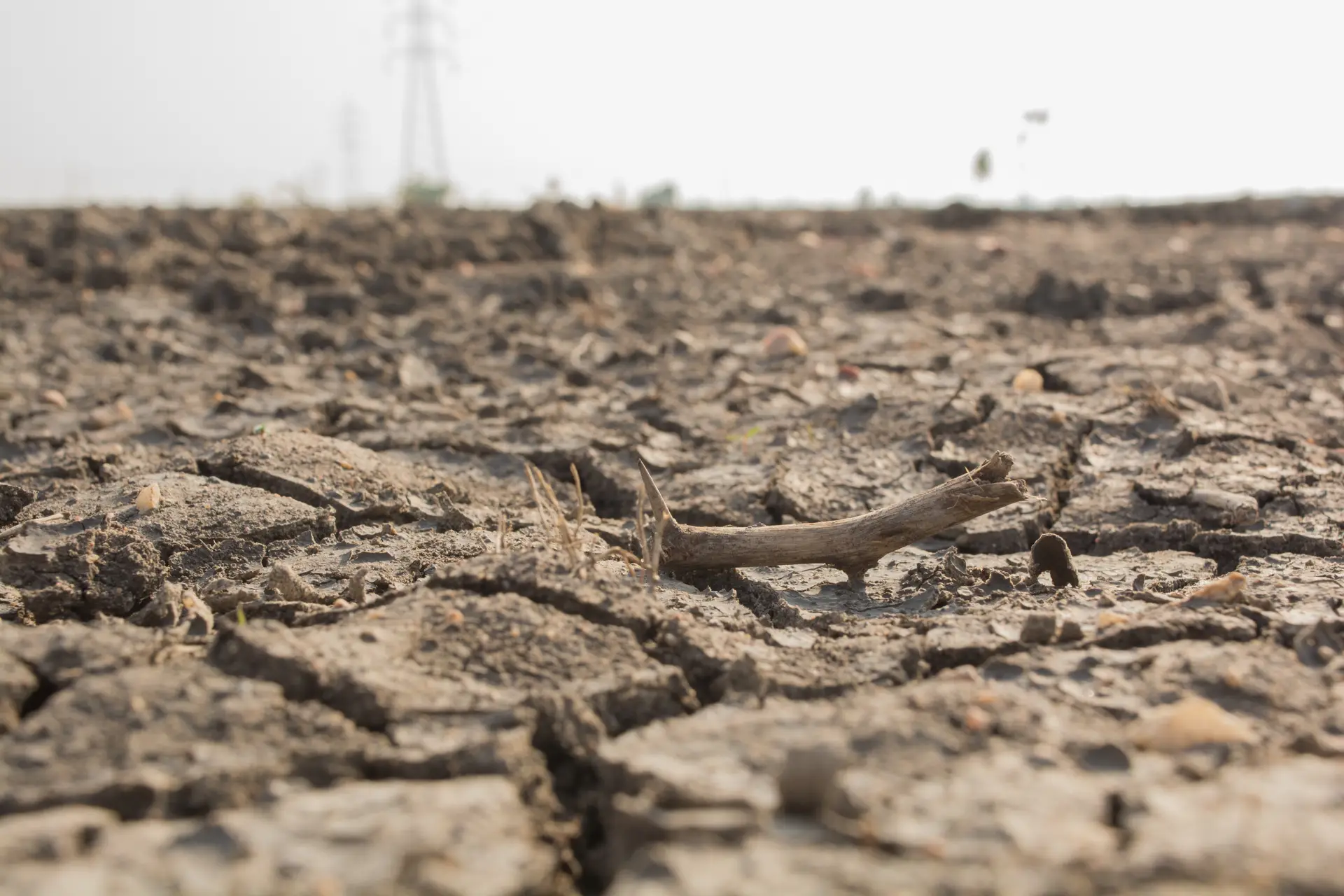
All across Indian states, and more specifically in the Vidharba region of Maharashtra, the farmer suicide crisis has reached a critical emergency level. ...
 2023-09-29
Women Empowerment
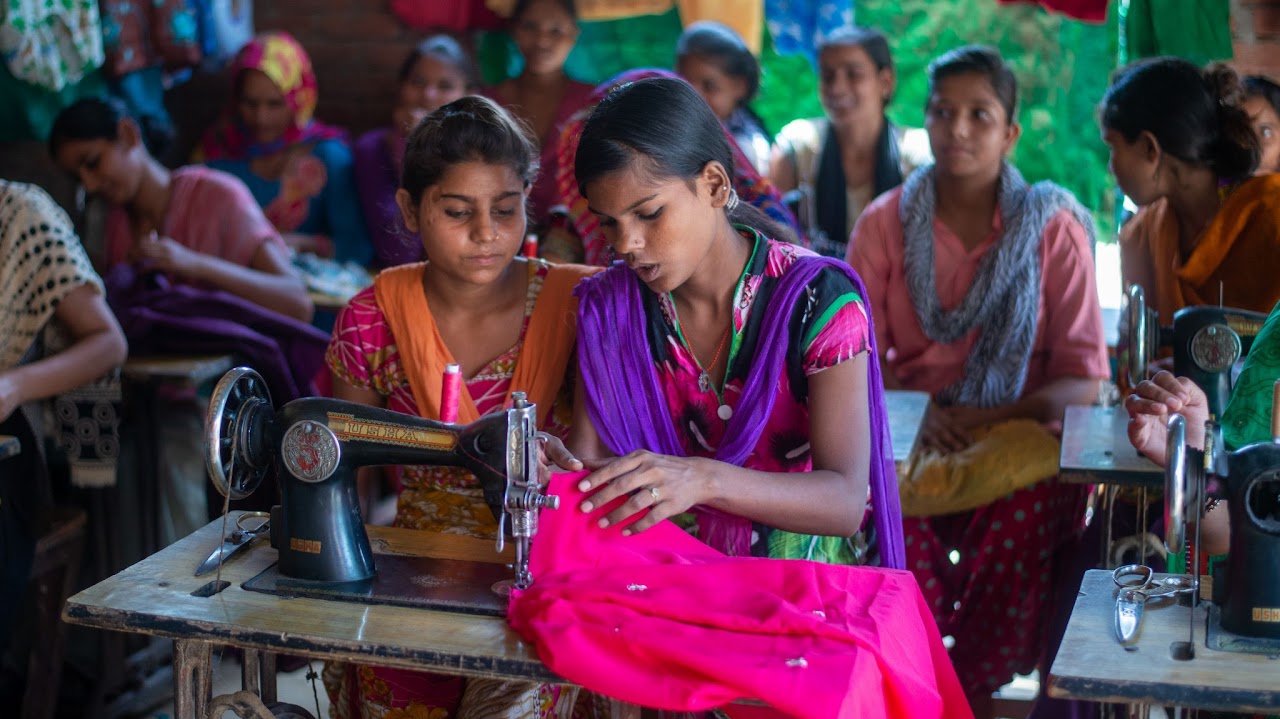
Our goal is to utilize the unused potential of women by helping them to form self-help groups and empowering them through various income generation ...
 2023-09-29
Youth Empowerment
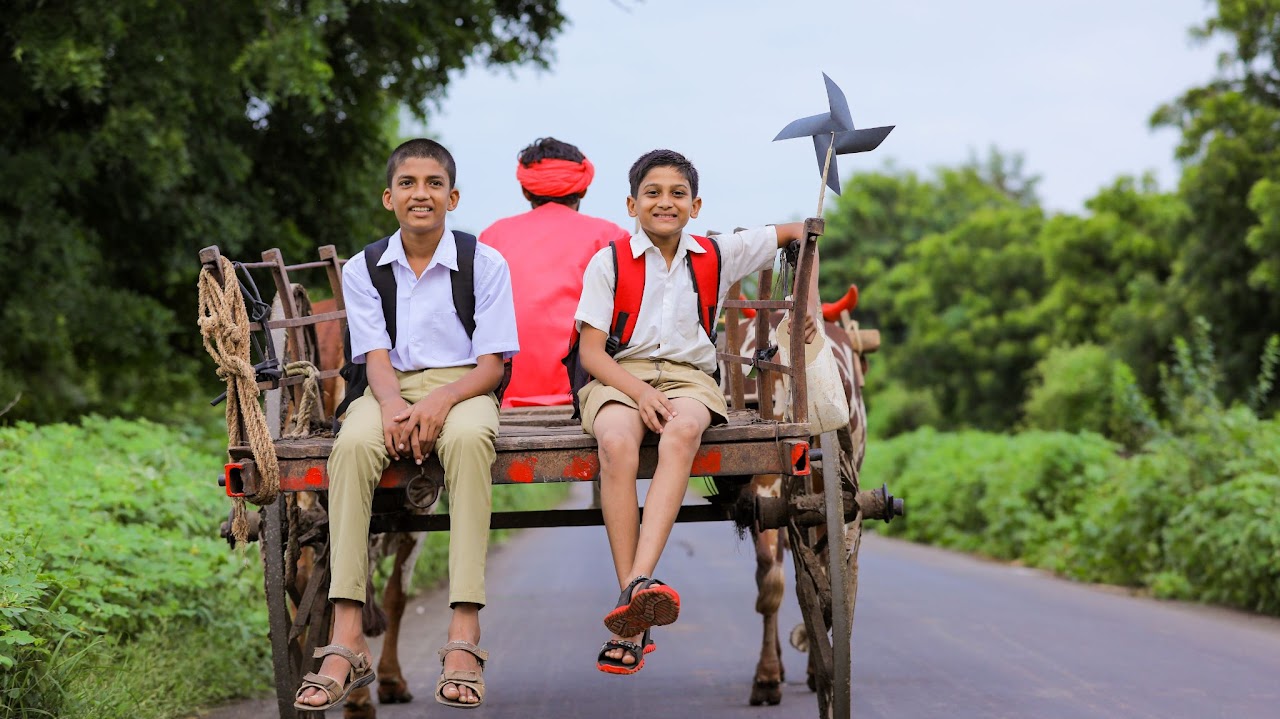
India is a youth led country, with 70% of people under the age of 40. 34% of India's gross national income comes from young people, but this percentage ...
 2023-09-29
Environment
UVS focuses on five main domains: clean water, clean air, waste management, biodiversity and renewable energy. Our goal is to educate young people about ...
 2023-09-29
Regenerative Agriculture
In view of the problems of conventional farming such as water scarcity, soil depletion and biodiversity loss, UVS wants to facilitate the transition to ...
Sustainable Development Goals
.webp)
- Details
- Written by: Yannick Dimbu
- Category: Environment
- Hits: 41
In the context of the Youth Mobilization program UVS created awareness about Global Warming in various schools and colleges. The World Climate Change Simulation took place in the context of the Youth Mobilization program. UVS conducted the first registered simulation in Samaj Karya Mahavidyalaya Maharashtra and mobilized young people to stand up for environmental conservation, limit on carbon emissions and usage of fossil fuels by conducting seminars on afforestation and reforestation and by promoting training sessions on consequences of climate change in field of agriculture, health, social, economic and education.

- Details
- Written by: Yannick Dimbu
- Category: Mental Health Program
- Hits: 33
In this phase, the mass dissemination of the program is projected. It will be promoted via local media, community gatherings and orientation to the population to build awareness & intent of the Program within the community and promote access to it.

- Details
- Written by: Yannick Dimbu
- Category: Mental Health Program
- Hits: 33
In this phase, all community intervention activities (fieldwork), collection of the household data through house survey and preliminary diagnosis and referral of high-level complexity cases for hospital care.

- Details
- Written by: Yannick Dimbu
- Category: Mental Health Program
- Hits: 34
In this phase, individual and community monitoring activities are contemplated. Psychoeducational with the guides of psychosocial care for the community and the volunteer team in the field shall be shared.

- Details
- Written by: Yannick Dimbu
- Category: Mental Health Program
- Hits: 34
In this phase, training programs aimed at the prevention of suicide and suicidal behaviour management will be conducted – yoga, medication, community activities, etc. Even after the project completion, the community engagement program shall continue through establishment of the focus group consisting of local authorities, volunteers and self-help groups who will continue to engage the community by conducting happiness programs and monitor.

- Details
- Written by: Yannick Dimbu
- Category: Women Empowerment
- Hits: 40
Maharashtra is one of the largest agricultural states in India, and farmers in this region play a very important role in the configuration and maintenance of the Indian economy. However, women in agriculture are affected by issues of recognition, leading to an absence of land rights, lack of entitlements to institutional credit, pensions and other universal privileges.
The chosen method to achieve these objectives is through a Self Help Group (SHG), notable for their success in economic development, social empowerment and poverty alleviation (Khasnabis et al., 2010). The programme’s overall goal is to engage in development activities with the provision of knowledge, skills, motivation, and competencies that are inline with UVS’ border goal of achieving sustainable agriculture.
Aiming to solve the problem, the SHG will be a vehicle to mobilise women to build up some savings in an entrepreneurial fashion. Through mutual support, SHGs can provide members with small loans for business purposes or in times of financial emergency caused by illness, accidents, funerals or otherwise. They can be a tool against indebtedness, and can also prepare women to build up credibility when scouting for microcredit later on.
Subcategories
Education
Our goal is to promote education and technological solidarity throughout the various communities. Keeping with this line of thinking Universal Versatile Society is working strenuously to provide a holistic learning experience to the underprivileged students at Nagthana to help develop a self-driving force of young minds.
Regenerative Agriculture
Our goal is to promote eco-friendly, sustainable and organic farming in local communities. As farmers are increasingly suffering from problems such as crop yields, decreased profits, poor soil health, and suicide, we decided to take action and educate farmers on how to tackle these issues.
Environment
UVS focuses on five main domains: clean water, clean air, waste management, biodiversity and renewable energy. Our goal is to educate young people about environmental issues in the domains mentioned above and motivate them to take action and to get involved in environmental protection.
Mental Health Program
Vidarbha region in the State of Maharashtra is an agriculture-intensive region, which has witnessed high farmer suicide rates in the recent past. Unfortunately, poverty, insufficient state aid and climatic conditions have led to an increase in farmers' suicides. We suspect that between 2016 and 2019 almost 8500 farmers have died by suicide, but no organization has reported real data, which leads us to a hypothesis that the figures are higher and that the factors risk are increasingly. The environmental and cultural crisis increase without prevention programs against depression and suicide.
The Mental Health Program aims to improve mental health conditions by providing care and rehabilitation services to the farmers. The Program has been designed to spread awareness, make assessments, and to enable the adoption of interventions to promote mental health; and especially prevent suicidal tendencies among the farmers and induce resilience to economic, social, and cultural problems.
Women Empowerment
Our goal is to utilize the unused potential of women by helping them to form self-help groups and empowering them through various income generation schemes. We aim to infuse women with legal, social and financial awareness so that they can not only gain economic and independence, but also confidence.
Youth Empowerment
India is a youth led country, with 70% of people under the age of 40. 34% of India's gross national income comes from young people, but this percentage needs to be increased urgently. Indeed, today's youth are an important resource not only for the development of economic prosperity, but also for social change. Despite this importance, millennials often face hurdles every day because their energy is not yet directed in the right direction.Youth empowerment in all developments is essential not only for national development throughout the country, but also for individual personal development. With this in mind UVS established a computer and information science institute called ‘Vidarbha Infotech’ in 2010.