
 2023-09-29
Mental Health Program
All across Indian states, and more specifically in the Vidharba region of Maharashtra, the farmer suicide crisis has reached a critical emergency level. ...
 2023-09-29
Women Empowerment
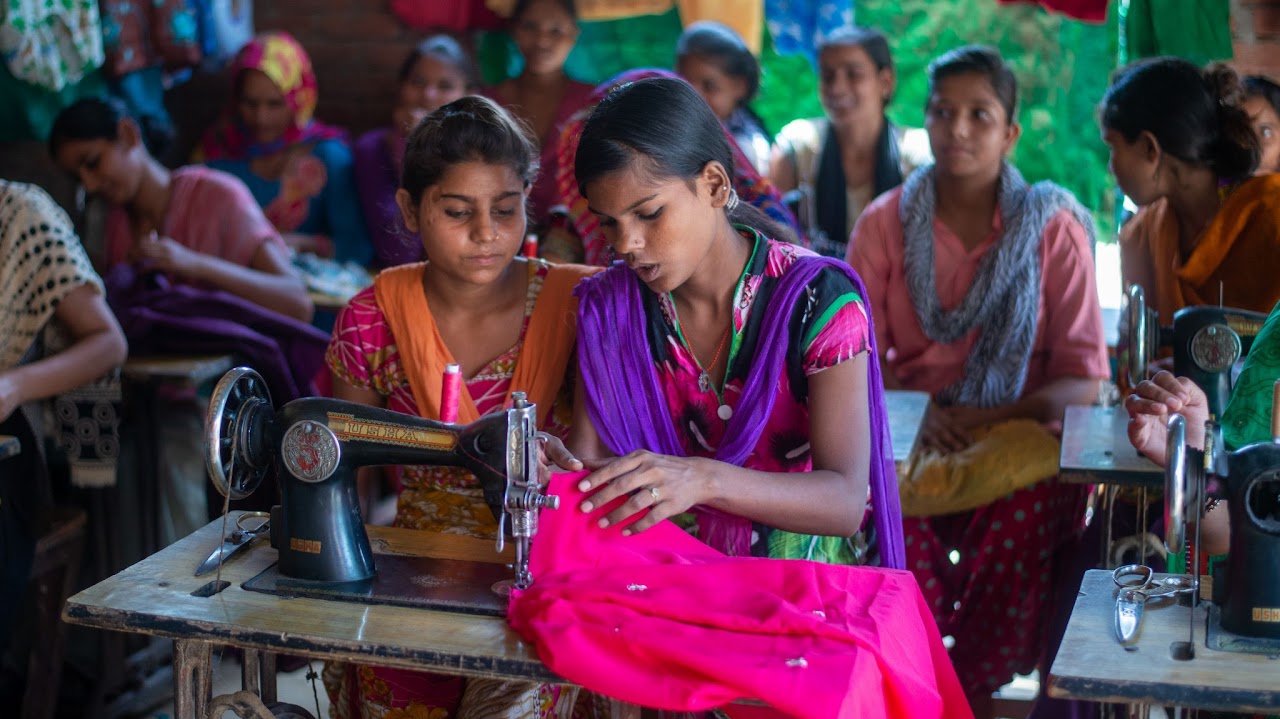
Our goal is to utilize the unused potential of women by helping them to form self-help groups and empowering them through various income generation ...
 2023-09-29
Youth Empowerment
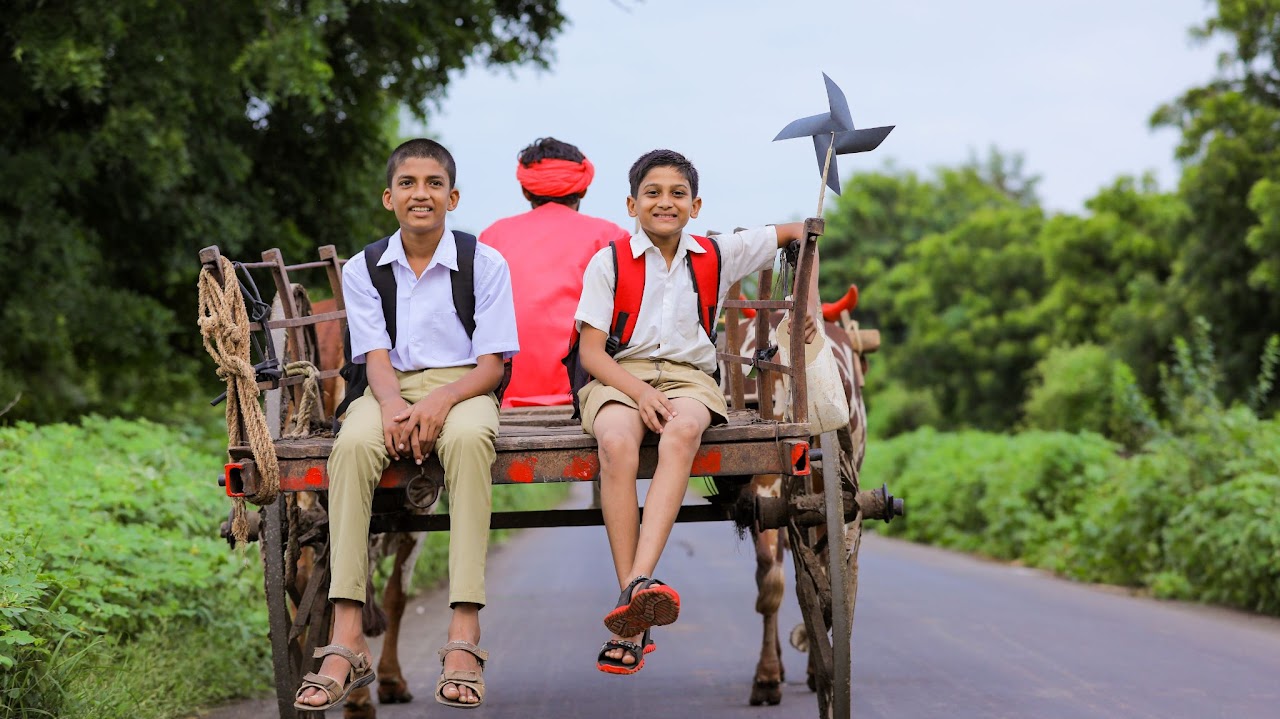
India is a youth led country, with 70% of people under the age of 40. 34% of India's gross national income comes from young people, but this percentage ...
 2023-09-29
Environment
UVS focuses on five main domains: clean water, clean air, waste management, biodiversity and renewable energy. Our goal is to educate young people about ...
 2023-09-29
Regenerative Agriculture
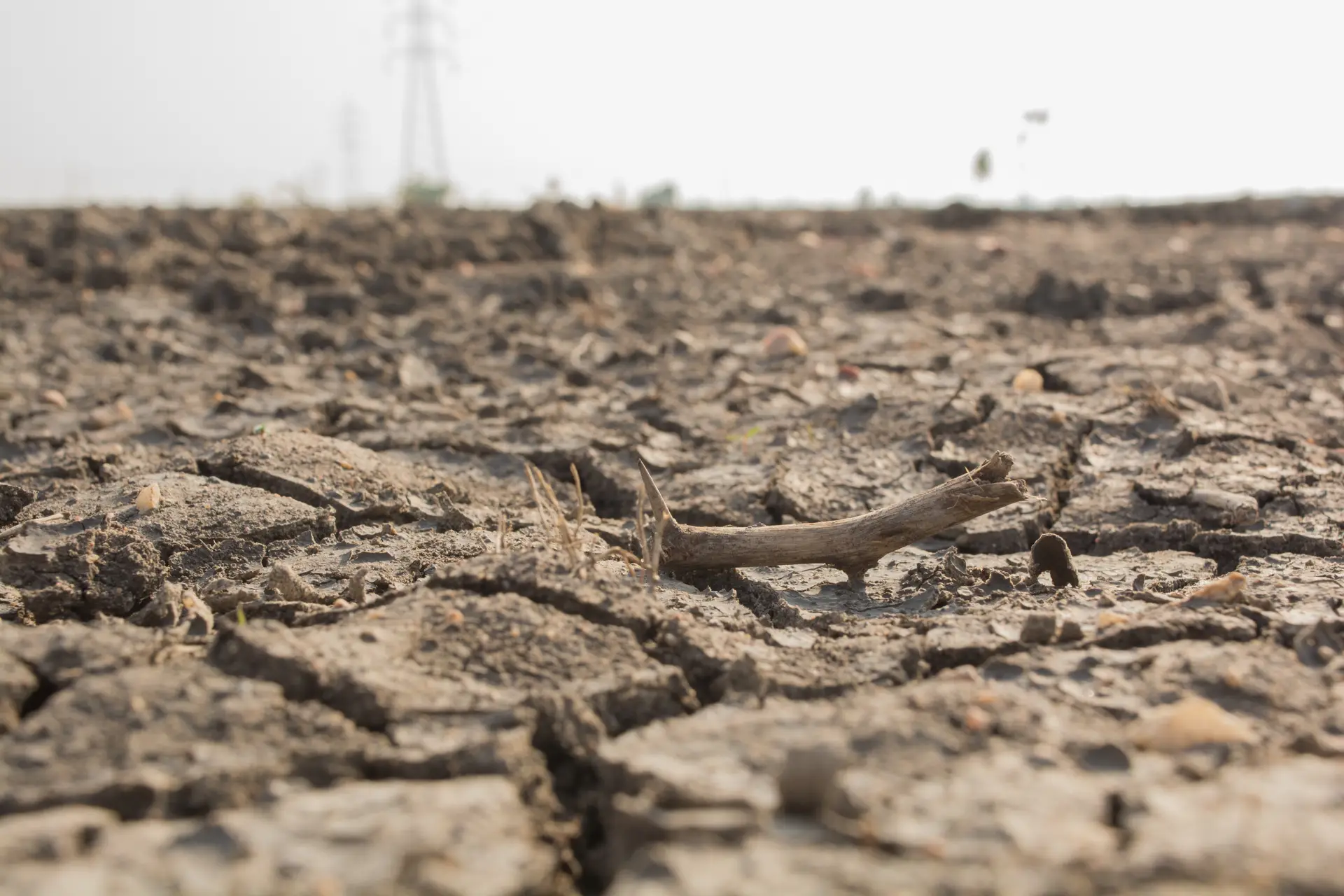
In view of the problems of conventional farming such as water scarcity, soil depletion and biodiversity loss, UVS wants to facilitate the transition to ...
Our services

- Details
- Written by: Yannick Dimbu
- Category: Regenerative Agriculture
- Hits: 32
In view of the problems of conventional farming such as water scarcity, soil depletion and biodiversity loss, UVS wants to facilitate the transition to regenerative agriculture in local communities. The Regenerative agriculture project aims at raising awareness for regenerative agriculture among local farmers in the village of Nagatha. UVS has elaborated a 6-phase plan including orientation workshops on regenerative agriculture, self-help groups for farmers, support staff for farmers and information campaigns on government schemes. 100 farmers are planned to be engaged in the pilot project in Nagatha. Upon successful completion, the project may be expanded to nearby 128 villages of the same or larger size.

- Details
- Written by: Yannick Dimbu
- Category: Regenerative Agriculture
- Hits: 29
UVS initiated this campaign to educate local farmers (in Washim Tehsil, Nagthana, Jambhrun and Panchala) in sustainable and low-budget agricultural practices. During campaigns organised by UVS, farmers received information on water conservation, crop rotation, intercropping, the selection of low water consuming crops, and aquaponics, so that they can learn to tackle the issue of water shortage and irrigation problems. Furthermore, they were given hands-on experience on water conservation practices. Field visits were arranged to demonstrate water harvesting techniques; and information was shared on the alternation of crop patterns and selection of low water consuming crops. Farmers were encouraged to switch from chemical farming to organic farming. A total of 25 out of 100 participants adopted an organic way of farming in 20-30% of their total land and a total of 207 farmers in need took the benefit of our farming equipment to conduct their cultivation and harvesting. More than 100 farmers attended soil testing campaigns organized at Nagthana Village. Overall, we helped to minimize farming costs on chemical fertilizers and pesticides and considerably improved the odds of expenditure going towards a healthy food diet. In Washim, residential training sessions were provided under which 20 farmers were trained in sustainable agricultural practices such as composting and mulching, pest control, and water harvesting.
- Details
- Written by: Yannick Dimbu
- Category: Regenerative Agriculture
- Hits: 27
In the context of this project, information was distributed to villagers on 'Parasbaug' (backyard gardening). For sustainable and eco-friendly farming, farmers were made aware about the negative effects of excessive fertilizers and pesticides. UVS invited experts to conduct training sessions on organic farming as organic farming is the key to avoiding soil pollution and maintaining soil health. Furthermore, USV informed farmers about the necessity of water and soil. Farmers participated in all the interactive sessions and resolved their queries and misconceptions about organic farming. Moreover, vegetable seedlings were distributed to encourage self-subsistent farming. In this context, students were given seedlings for plantation and a record was kept to check their planting progress. UVS planted 500 trees at the gaothan area of Nagthana Grampanchayat. Additionally, a UVS team supported the local community by collecting solid and biodegradable waste under Swacch Bharat Abhiyan. Overall, UVS arranged 5 campaigns between 2017 and 2018.

- Details
- Written by: Yannick Dimbu
- Category: Environment
- Hits: 42
The “Crafting Eco-Friendly Lord Ganesh Idols Project“ took place in the context of the Green School and Campus Project. Thousands of students were encouraged to find eco-friendly ways to celebrate a popular religious festival celebrating Lord Ganesh. UVS recognized the need for educating the youth on environmental conservation and pollution threats by connecting with religious aspects of their everyday lives. The District’s Education Officer granted UVS permission to lead this environmental conservation project, and schools and colleges were enthusiastic to participate. Now, students are helping to personally make the festival into an eco-friendly event by making biodegradable, environmentally-friendly Ganesh clay idols. Under this project Ganesh Idols were prepared by students with clay and set at their homes for ‘poojan’. During ‘poojan’, idols representing popular deities are prayed over and used for rituals to attract prosperity. At the end of ‘poojan’, idols, oftentimes made with non-biodegradable and toxic materials, are dipped into local waterways and dissolved. Due to the mass scale of this event and the general lack of knowledge about environmental safety and hazards, thousands of families are contributing to environmental pollution unknowingly. The project thus shows how impactful UVS can be at changing community behaviours through education, awareness building, and youth empowerment.

- Details
- Written by: Yannick Dimbu
- Category: Environment
- Hits: 40
UVS works together with two local schools (The World School Washim and Mount Carmel English School Washim) and three colleges (Rajasthan Arya College Washim, Saraswati Samaj Karya Vidyalaya Washim and Patil College Risod) by organizing workshops on environment protection. In the two local schools, 1400 students and in the 3 university colleges 1,500 students benefited from the Green School and Campus Project. The „Green School and Campus Project’ is teaching students on how to improve their carbon footprints and encourage others to do so as well. Students have been motivated to write essays and draw posters on the topic of climate protection.

- Details
- Written by: Yannick Dimbu
- Category: Environment
- Hits: 48
UVS wants to educate interested individuals on the devastating effects of climate change by broadcasting news in an accessible way through a volunteer-run YouTube channel. Our WWCC News YouTube channel reaches global audiences in 10 international languages (English, Spanish, French, Arabic, Ukrainian, Swahili, Portuguese, Russian, Hindi, Mandarin), and is supported by 40+ volunteers from the entire globe. UVS has succeeded in disseminating multi-lingual climate updates to the fingertips of a global audience, with the channel receiving hundreds of weekly views. Our work is currently accessible through various social media outlets such as YouTube, Facebook, Twitter, and Instagram. The entire project is currently working under a volunteering not-for-profit basis.
- World Climate Simulations
- Program Activities. Phase 1: Positive Promotion Of Mental Health And Prevention Of Suicide
- Program Activities. Phase 2: Detection Of The Risk Of Behaviour Of The Suicide
- Program Activities. Phase 3: Suicide Behaviour Management
- Program Activities. Phase 4: Training
- Self Help Group Forming